Understanding Wedding Invitation Etiquette
Wedding invitation etiquette is essential for ensuring that your guests receive clear and respectful communication about your special day. This includes knowing how to address invitations properly, when to send them, and what information to include to avoid confusion.
For example, it is customary to send out invitations at least six to eight weeks before the wedding date, allowing guests ample time to RSVP. Additionally, addressing invitations with the correct titles and names of guests shows respect and consideration, setting a positive tone for the event.
Choosing the Right Wording for Your Invitations
The wording on your wedding invitations sets the tone for your event and conveys important details about the ceremony and reception. Selecting the right phrasing can reflect the formality of your wedding and ensure that guests understand the event's nature.
For instance, if you are hosting a formal wedding, traditional wording such as "request the honor of your presence" is appropriate. Conversely, for a more casual celebration, you might opt for a relaxed phrase like "join us for a celebration of love." Tailoring the wording to match your wedding style helps create the desired atmosphere.
Tips for Designing Your Wedding Invitations
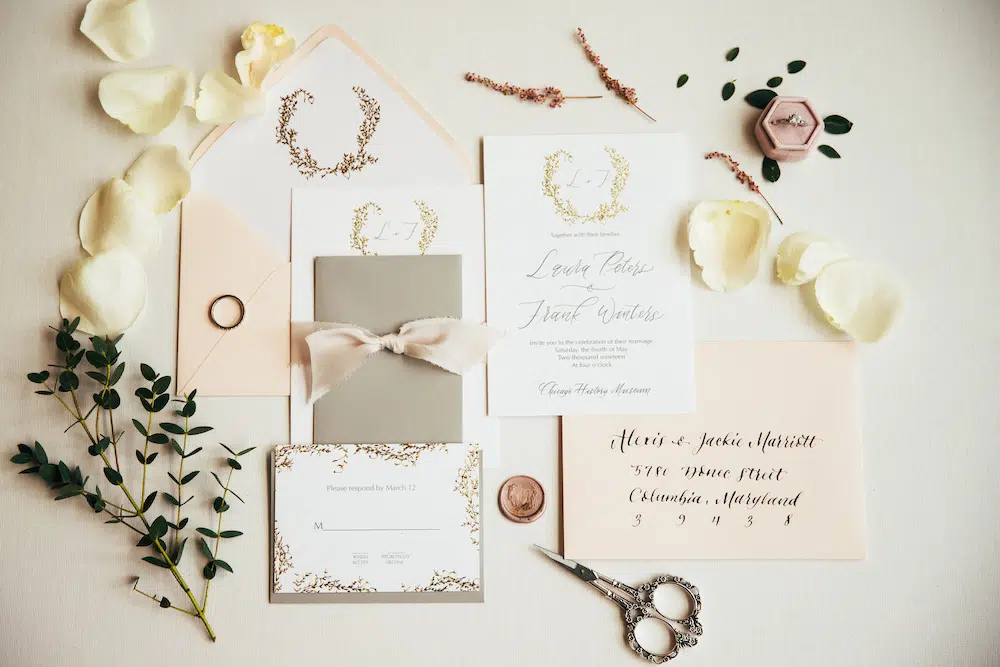
Designing your wedding invitations is an opportunity to express your personal style and theme. The choice of colors, fonts, and graphics can enhance the invitation's appeal and reflect the overall aesthetic of your wedding.
For example, if you are planning a rustic wedding, earthy tones and handwritten fonts can create a warm, inviting feel. On the other hand, a modern wedding might benefit from sleek lines and bold colors. Considering the design elements carefully ensures that your invitations are not only informative but also visually captivating.
Common Mistakes to Avoid When Sending Invitations
When sending out wedding invitations, there are several common pitfalls that couples should be aware of to avoid potential issues. These mistakes can lead to confusion among guests or even hurt feelings if not addressed properly.
One common error is failing to double-check the guest list, which can result in missing important people or accidentally inviting someone who should not be included. Additionally, neglecting to provide clear RSVP instructions can lead to uncertainty about attendance. Being meticulous in these areas helps ensure a smoother planning process.